30Oct
Thinking about moving to the Netherlands? Perhaps you have received a job offer, are looking for new career opportunities, want a better quality of life for your family, or simply feel ready for a new beginning. But once the idea becomes a real possibility, one important question comes up: Where do you actually start?
Moving to the Netherlands involves much more than booking a flight and finding a place to live. There are immigration requirements, employment decisions, housing arrangements, schools, healthcare and financial matters to consider.
The good news is that you do not have to figure everything out at once. The best way to approach an international move is to break it down into manageable steps and build a relocation plan that fits your personal circumstances.Here are the key things to consider when planning your move to the Netherlands.
1. Start with your immigration options
Before looking for a home or making major financial decisions, you need to understand your legal options for living in the Netherlands. Your nationality plays an important role. EU, EEA and Swiss citizens generally have the right to live and work in the Netherlands without applying for a regular Dutch residence permit. People from other countries usually need an appropriate residence permit for a long-term stay.
There are several possible routes, depending on your circumstances. You may be relocating for employment, joining a partner or family member, pursuing higher education, starting a business or working as a self-employed professional. Each route has different requirements, and not every job offer or business plan automatically qualifies.
Start by understanding which immigration route applies to you and what documents and conditions you will need to meet.
Read more: Moving to the Netherlands: Visas, Work Permits and Relocation Options.
2. What is your employment plan?
How will you support yourself financially once you arrive?Perhaps you already have a job offer in the Netherlands. Maybe you need to find a new position, continue working for an overseas employer, become self-employed or establish your own business.
If you are looking for a job, start researching the Dutch employment market in your field. Consider salary expectations, language requirements, professional qualifications and whether employers in your industry are open to hiring international candidates.
If you are planning to work remotely for a company abroad, check the legal, tax and employment implications before making the move. Having a remote job does not automatically give you the right to live in the Netherlands. Your employment plans may also affect your immigration options, so it is important to consider these two subjects together.
3. Choose the right city and neighbourhood
The Netherlands may be a relatively small country, but its cities and neighbourhoods offer very different lifestyles. Amsterdam, Haarlem, Amstelveen, Utrecht, Rotterdam and The Hague each have their own character, housing market, international communities and living costs. Even within the same city, different neighbourhoods can offer very different experiences.
Think about your daily routine and priorities. How far will you need to travel to work? Do you prefer a lively city centre or a quieter residential area? Is access to public transport important? Are schools, green spaces or an international community part of your priorities?
Choosing where to live is not just about finding an available property. It is about finding a place where you and your family can feel at home. A neighbourhood tour can be a helpful way to explore different areas in person before making a decision.
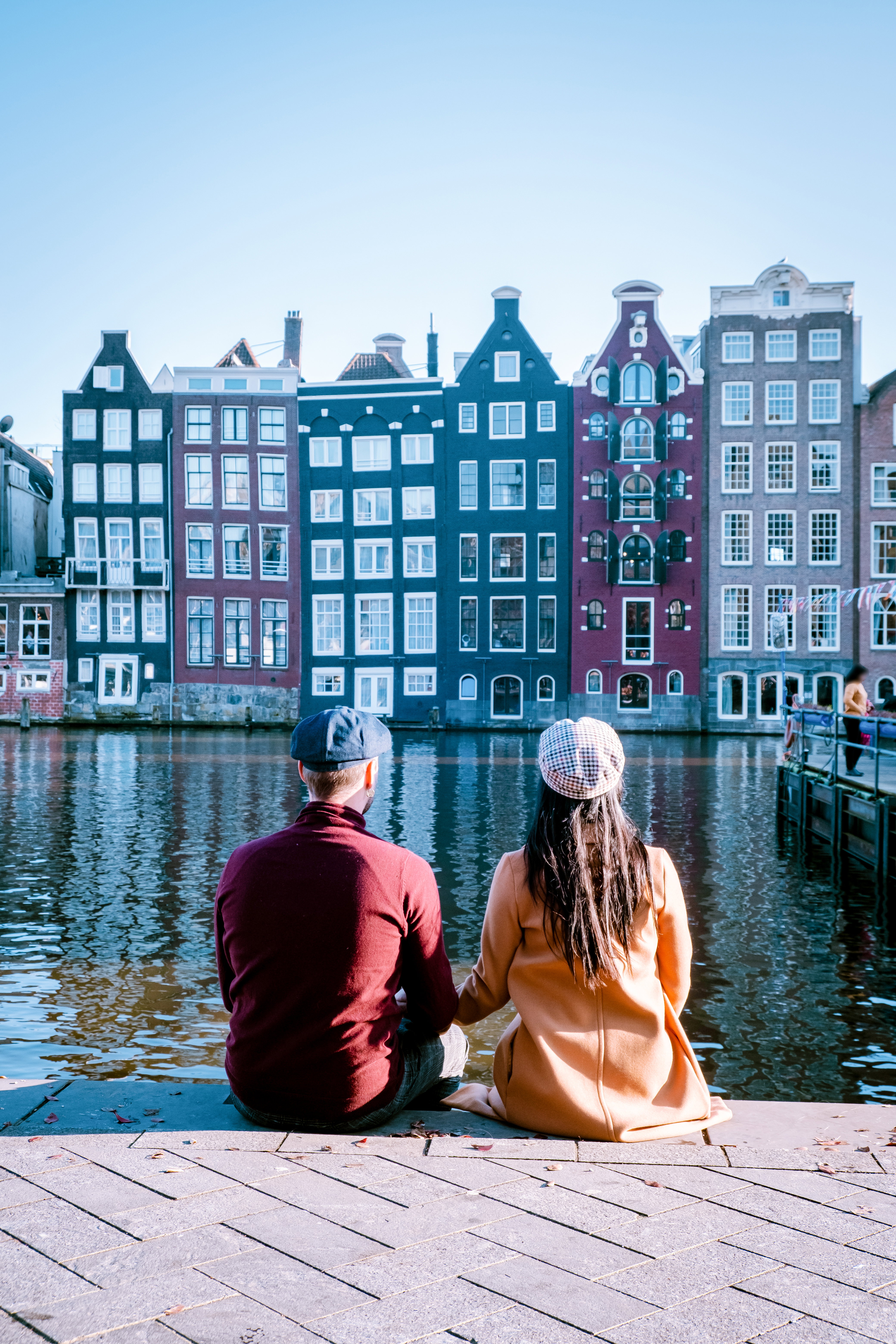
4. Housing: Rent or buy?
Finding suitable accommodation is one of the most important parts of relocating to the Netherlands. Before you begin your search, decide whether renting or buying is the right option for you. Consider your budget, expected length of stay, employment situation and long-term plans.
The Dutch housing market can be competitive, particularly in popular cities and residential areas. It is worth understanding rental requirements, the documents landlords may request and the costs involved before you start searching. If you are considering buying a property, you should also learn about the Dutch mortgage process, financing conditions and additional purchase costs.
Read more: Buying a House in the Netherlands: A Complete Guide to Getting a Dutch Mortgage.
5. Moving with children? Explore the education system
For families relocating to the Netherlands, choosing the right school is one of the most important decisions. The Dutch education system may be quite different from the one you are familiar with. There are Dutch-language schools, international schools and different educational pathways to consider.
Look into the available options in your preferred area, the language of instruction, admission requirements, school availability and registration procedures. It is also important to think about your children's social and emotional adjustment. Moving to a new country, learning a new language and adapting to a different school environment can take time.
Starting your research early can help you make a better decision for your children and your family.
Read more: How to Choose the Right School for Your Children When Relocating to the Netherlands.You can also explore our guide to The Dutch Education System.
6. Understand healthcare and health insurance
The Dutch healthcare system works differently from many other countries, so it is important to understand how it operates before you move. Depending on your residence and employment status, you may be required to take out Dutch basic health insurance. The rules are not identical for everyone, so check your personal situation rather than assuming that your existing international or private insurance will be sufficient.
It is also worth understanding the role of the general practitioner (huisarts), who is usually your first point of contact for medical care and referrals to specialists. If you or a family member needs regular medication, ongoing treatment or medical follow-up, plan to make the transition as smooth as possible.
7. Plan your finances and understand your tax position
A successful relocation requires more than budgeting for rent. Consider the full cost of living in the Netherlands, including utilities, health insurance, transport, groceries, childcare, schooling, furniture and initial relocation expenses.
Tax is another important part of the planning process. Your tax position may depend on where you live, where you work, the type of income you receive and whether you have assets or financial commitments in other countries. You may also want to explore whether you qualify for specific Dutch tax arrangements, such as the 30% ruling, if you are moving to the Netherlands for eligible employment. It is advisable to review your financial situation before relocating and seek professional tax advice when your circumstances involve more than one country.
8. Tie up loose ends before leaving your current country
International relocation is not only about preparing for your new life in the Netherlands. It is also about making sure your affairs in your current country are properly organised. Depending on your circumstances, you may need to review your tax residency, notify tax or social security authorities, check your pension arrangements and understand how moving abroad affects existing insurance policies and benefits.
Also consider any ongoing commitments, such as property, bank accounts, loans, investments, contracts, subscriptions or other financial obligations.If you are moving with children, remember to collect important school records, medical documents and any paperwork that may be required for registration in the Netherlands.
There is no single checklist that applies to everyone. The rules depend on your country of origin and personal circumstances, so it is worth checking what needs to be reported, transferred, maintained or closed before departure.
9. Prepare for the practical side of arriving
Once you arrive, there are several important administrative steps to complete. Depending on your situation, these may include registering with your local municipality, receiving your citizen service number (BSN), applying for DigiD, arranging health insurance, opening a Dutch bank account, registering with a GP and setting up utilities and internet.
If you intend to live in the Netherlands for more than four months, you generally need to register with your municipality within five days of arrival. This registration is recorded in the Personal Records Database (BRP) and is used for many everyday services.
Read more: Moving to the Netherlands: A Realistic Relocation Timeline.
The hardest step is often making the decision
Relocating to another country is a major life decision. It affects your career, family, finances, daily routine and the life you have built so far. It is completely natural to have questions and concerns. Many people spend months or even years thinking about moving before taking the first step.
In my experience, the hardest part is often simply deciding to explore the possibility seriously.You do not need to have all the answers before you begin. What you need is a clear starting point, reliable information and a realistic plan based on your circumstances.
At MovingNL, I help individuals, couples and families navigate the relocation process and build their new lives in the Netherlands. Whether you need personal relocation advice, guidance with immigration options, help finding a home, support with school choices or assistance settling in after arrival, I can help you understand your options and plan the next steps.
You can start with a personal consultation, where we look at your situation and build a relocation plan tailored to your needs.
You can also join a neighbourhood tour to explore different residential areas, discover what each location has to offer and get a better feel for where you might want to live.
Ready to explore your move to the Netherlands? Let's plan your next chapter together.
Moran Zelikovich - Founder of MovingNL
Comments